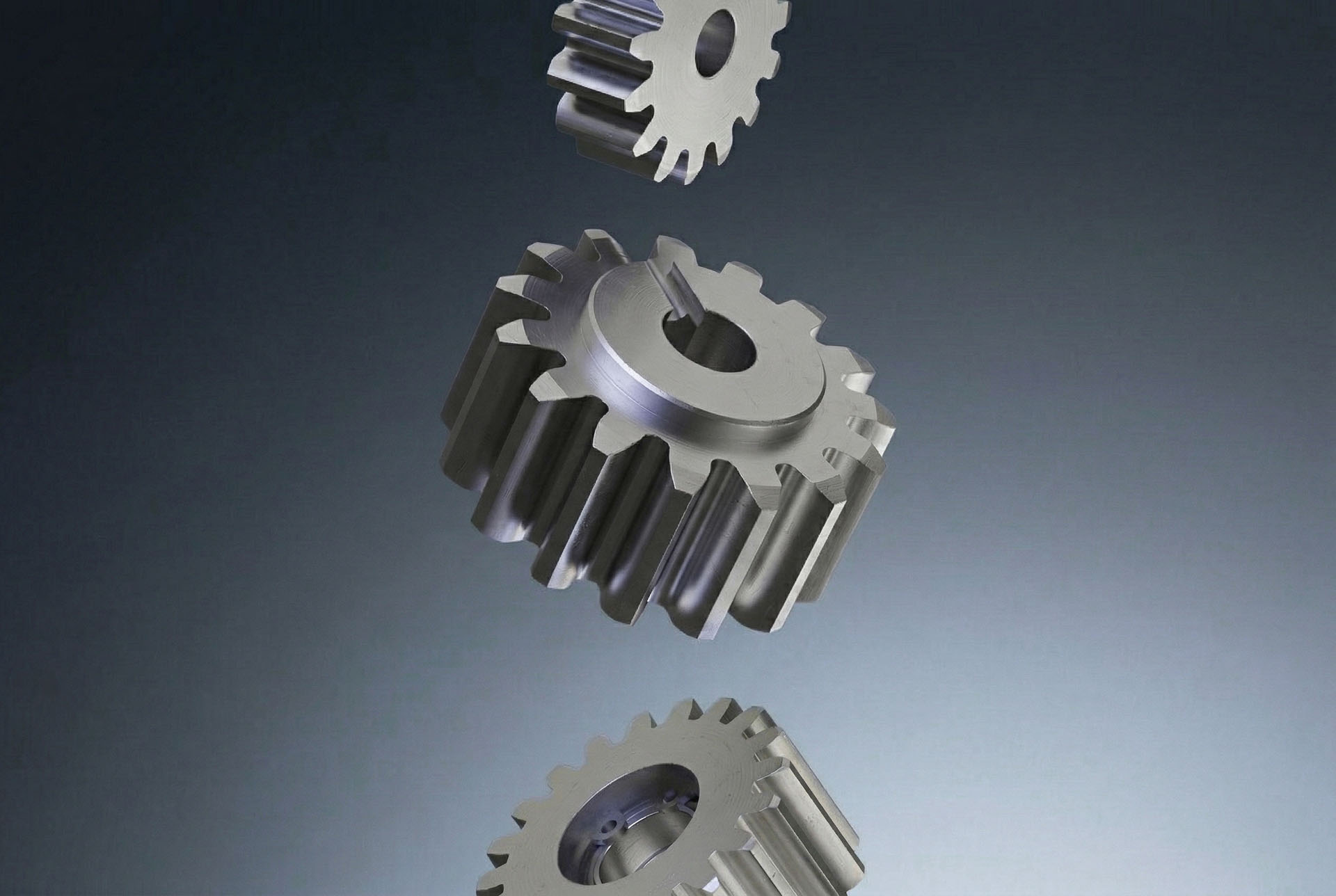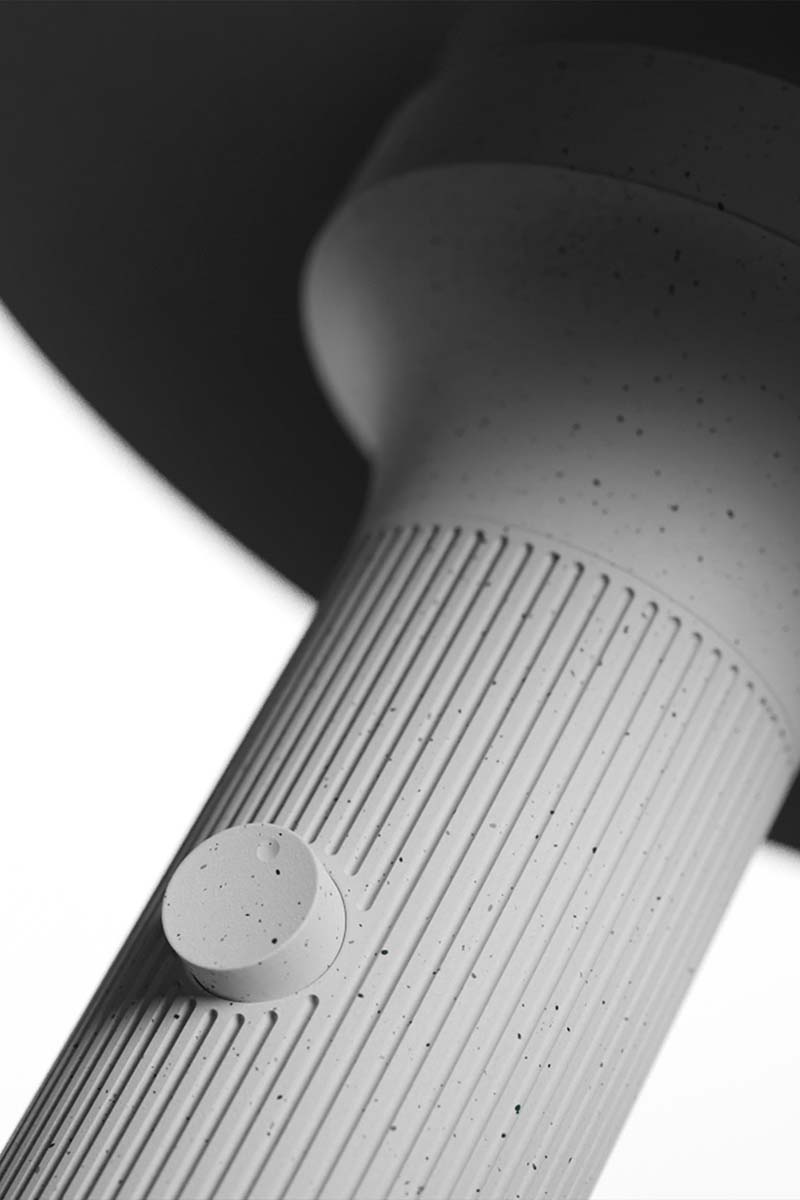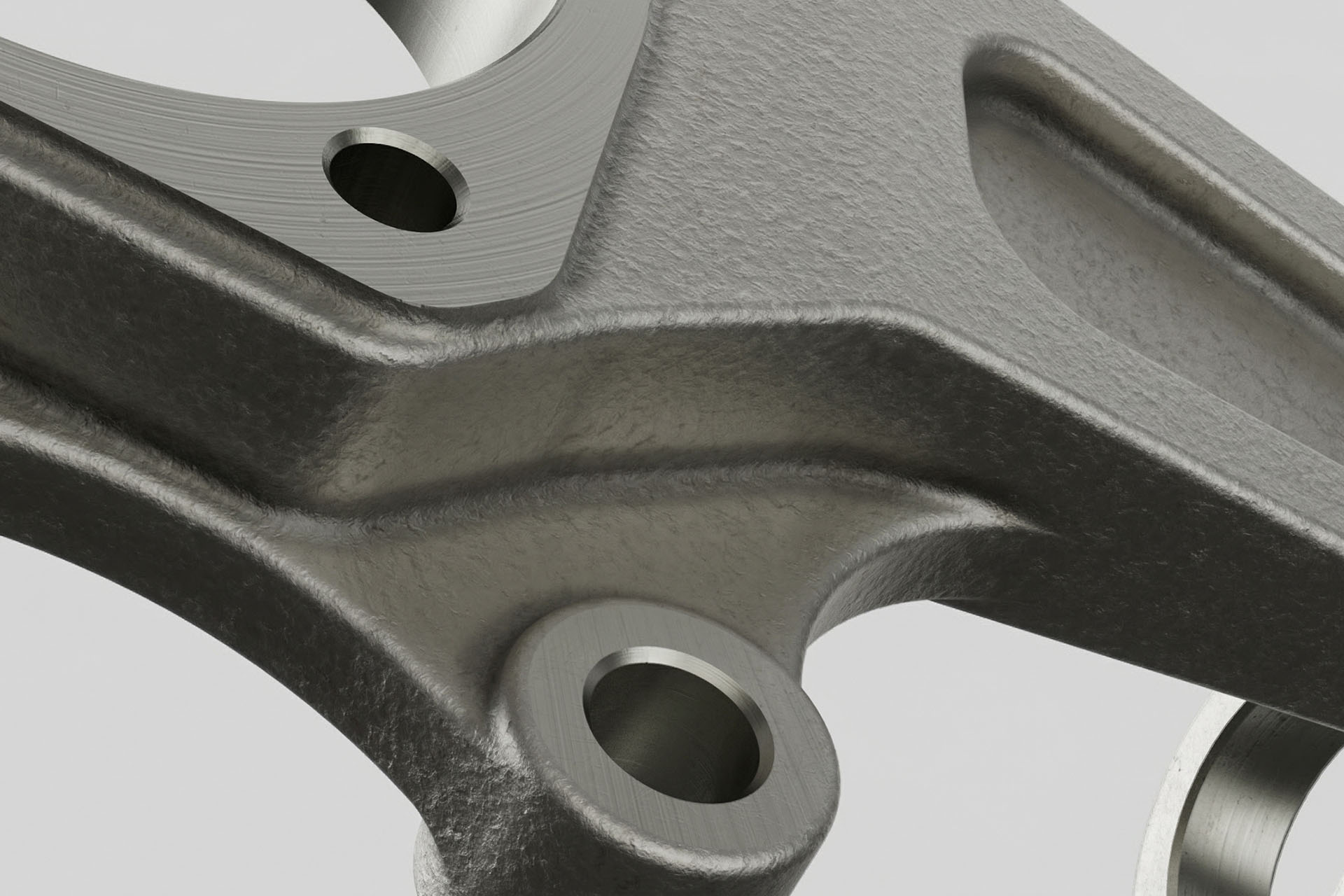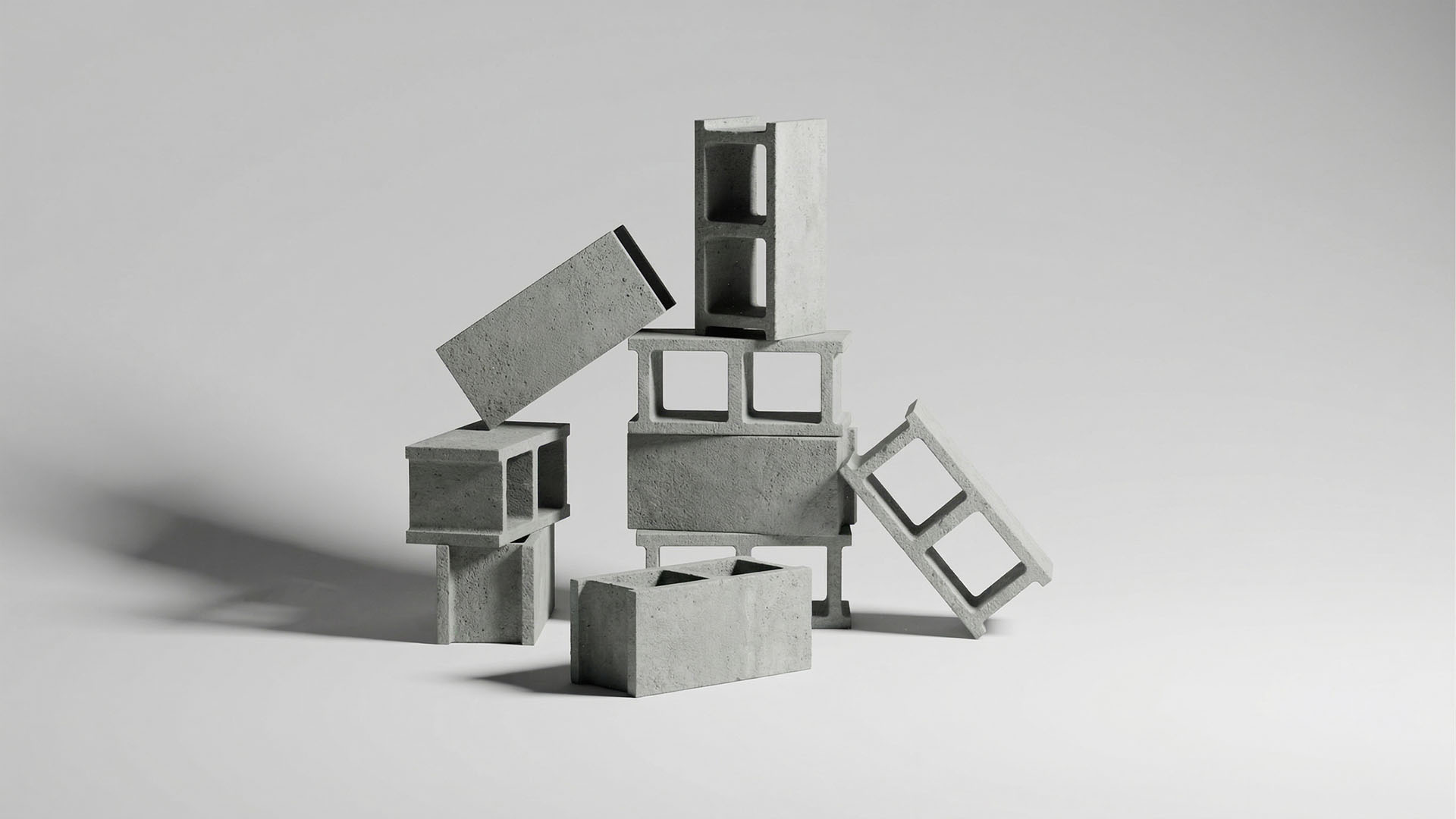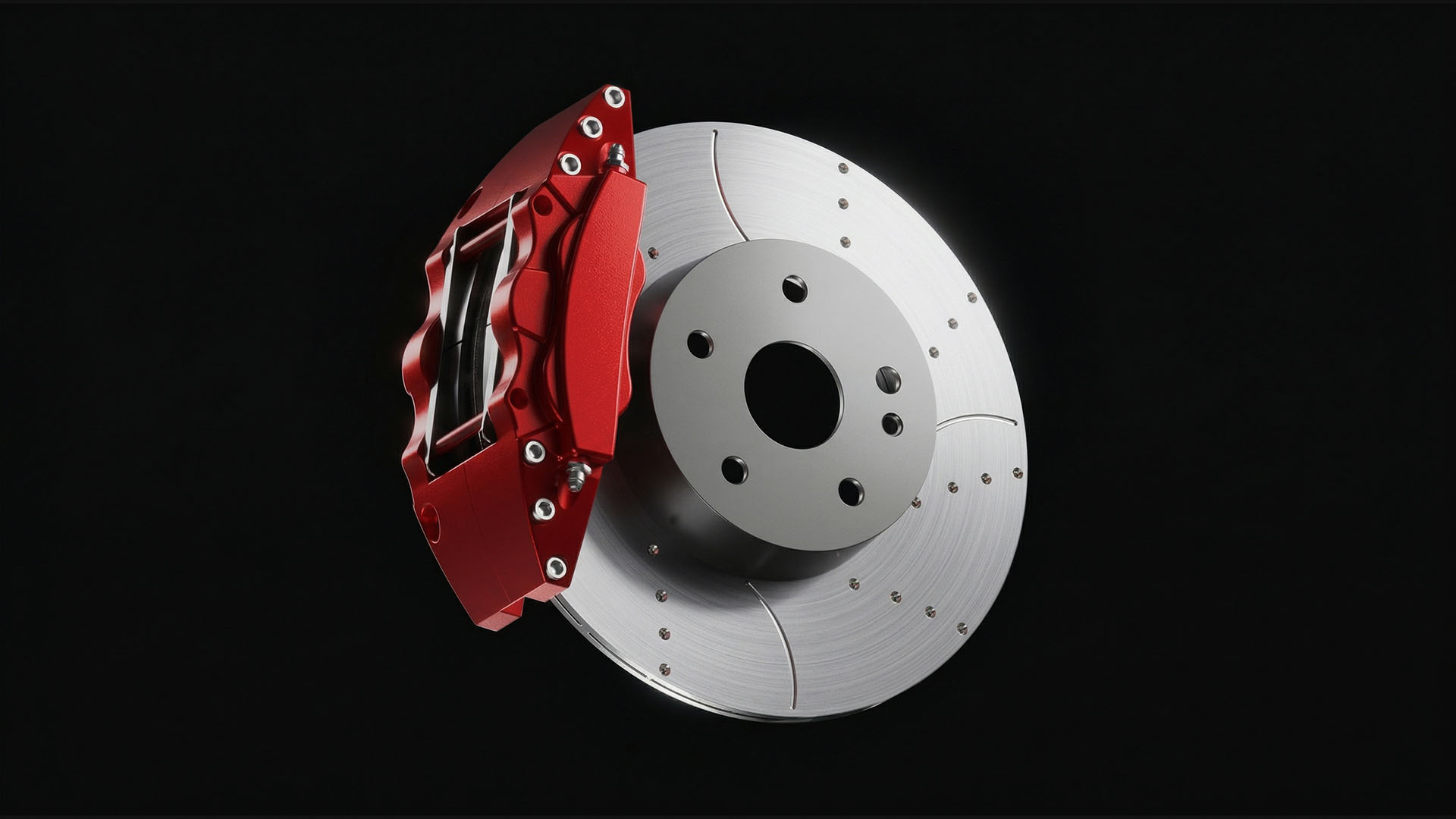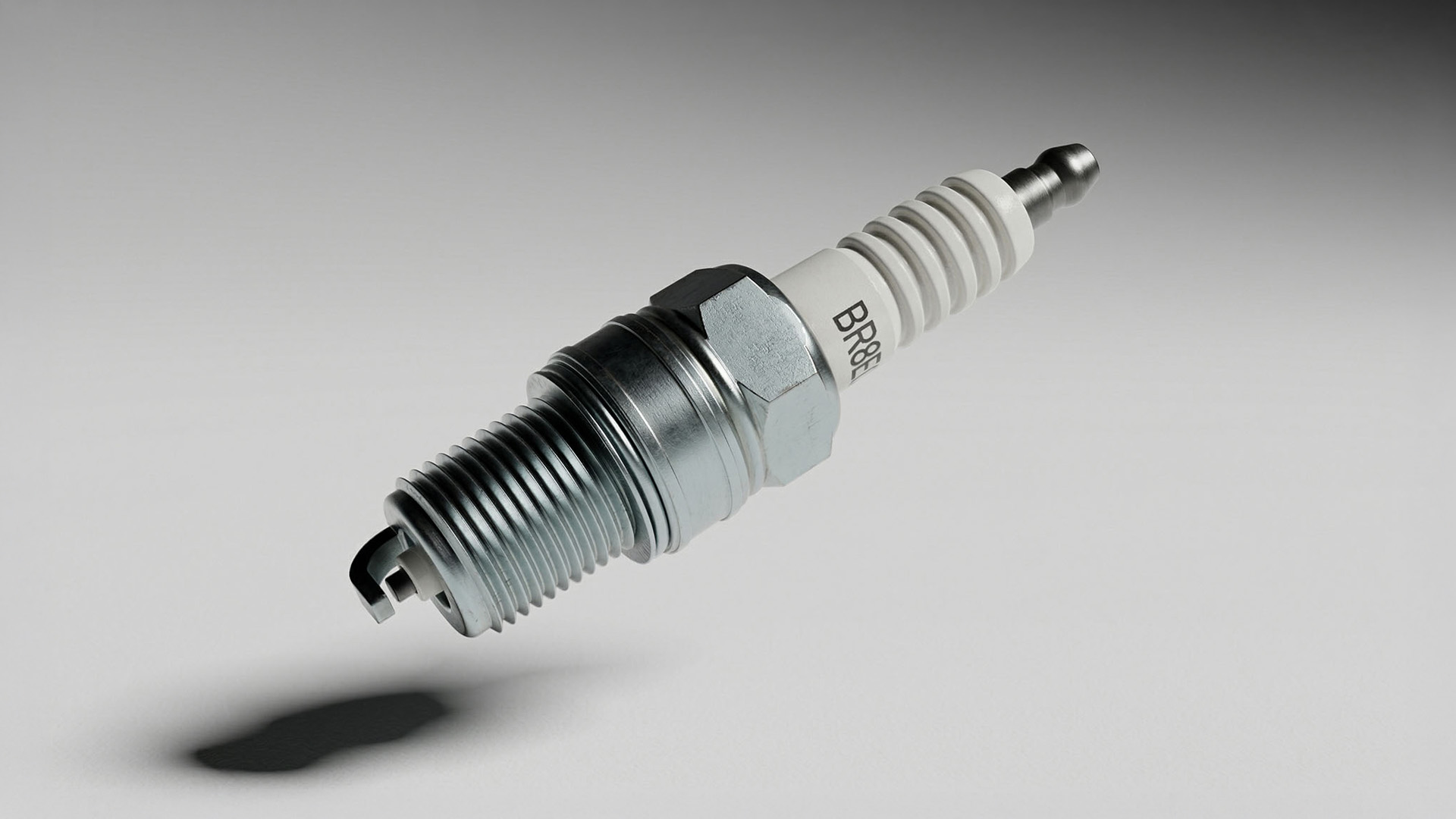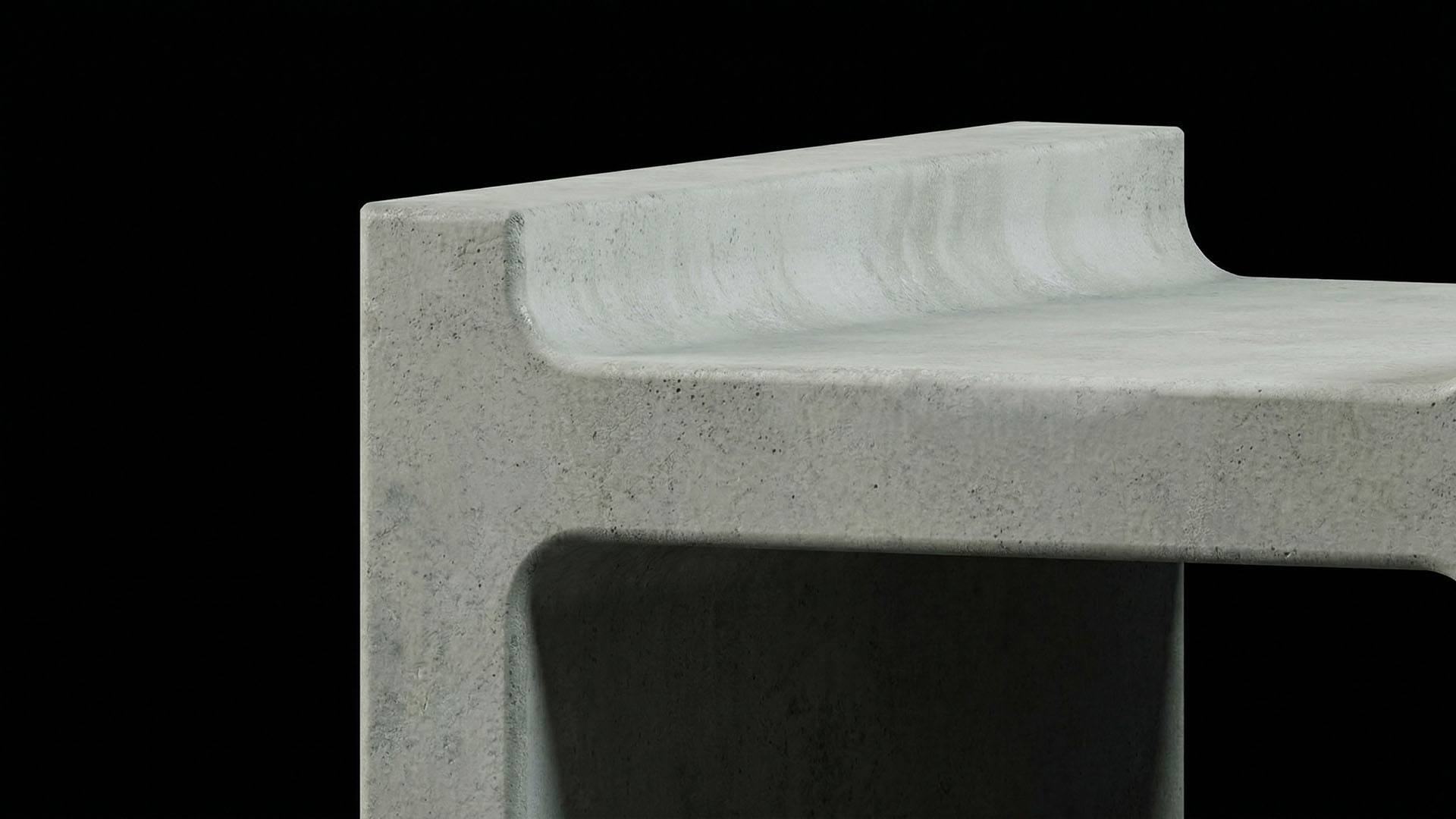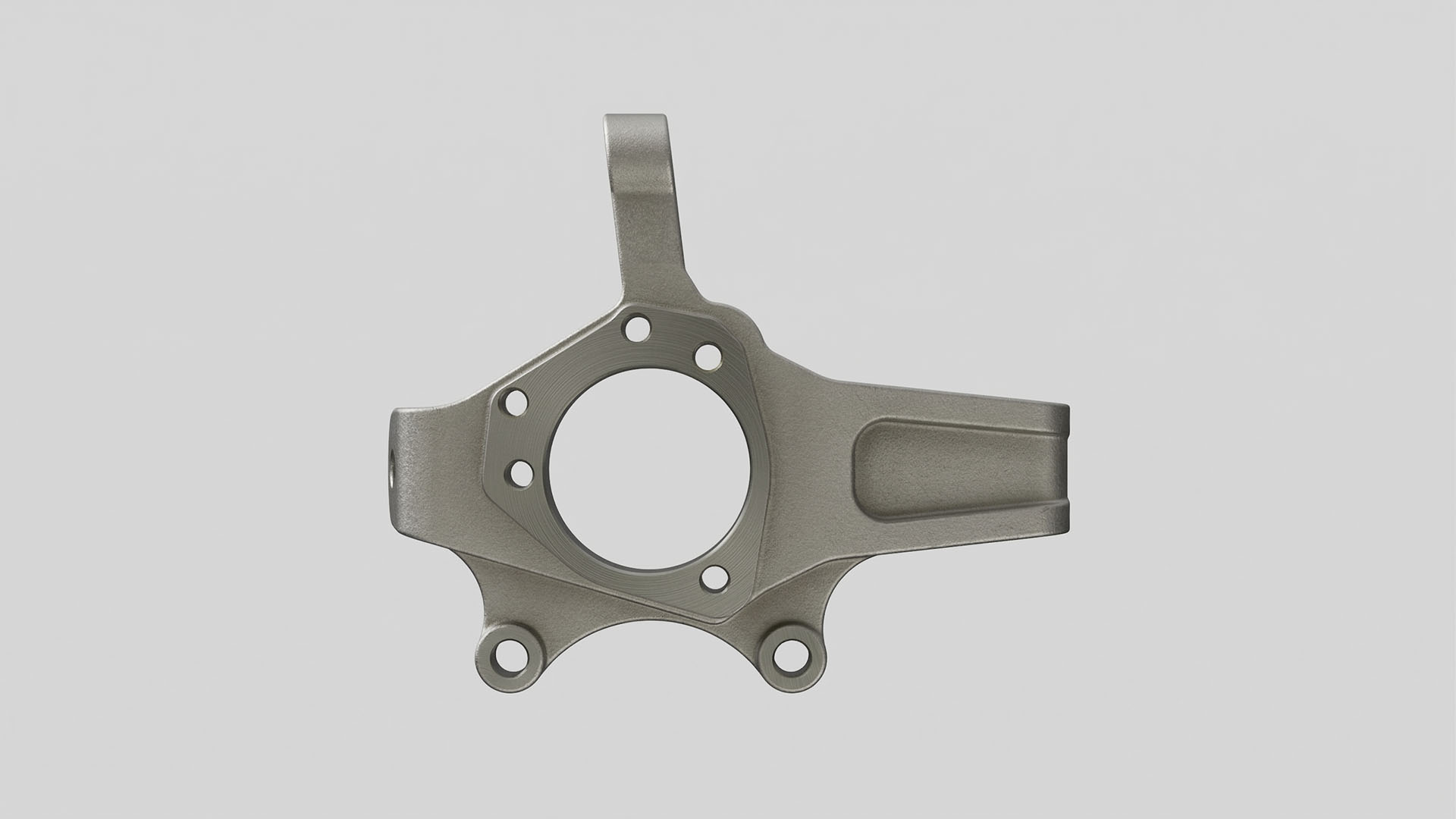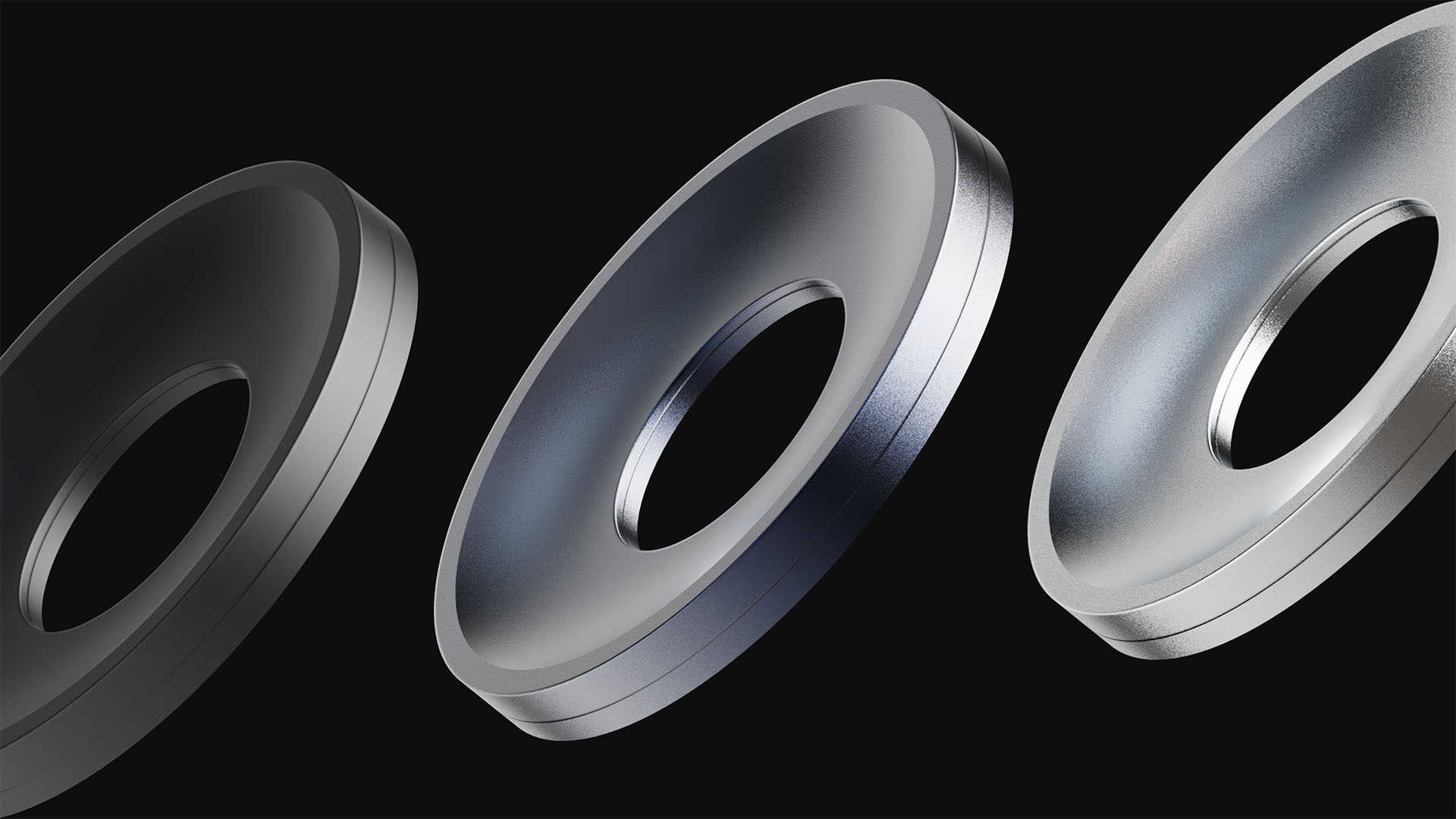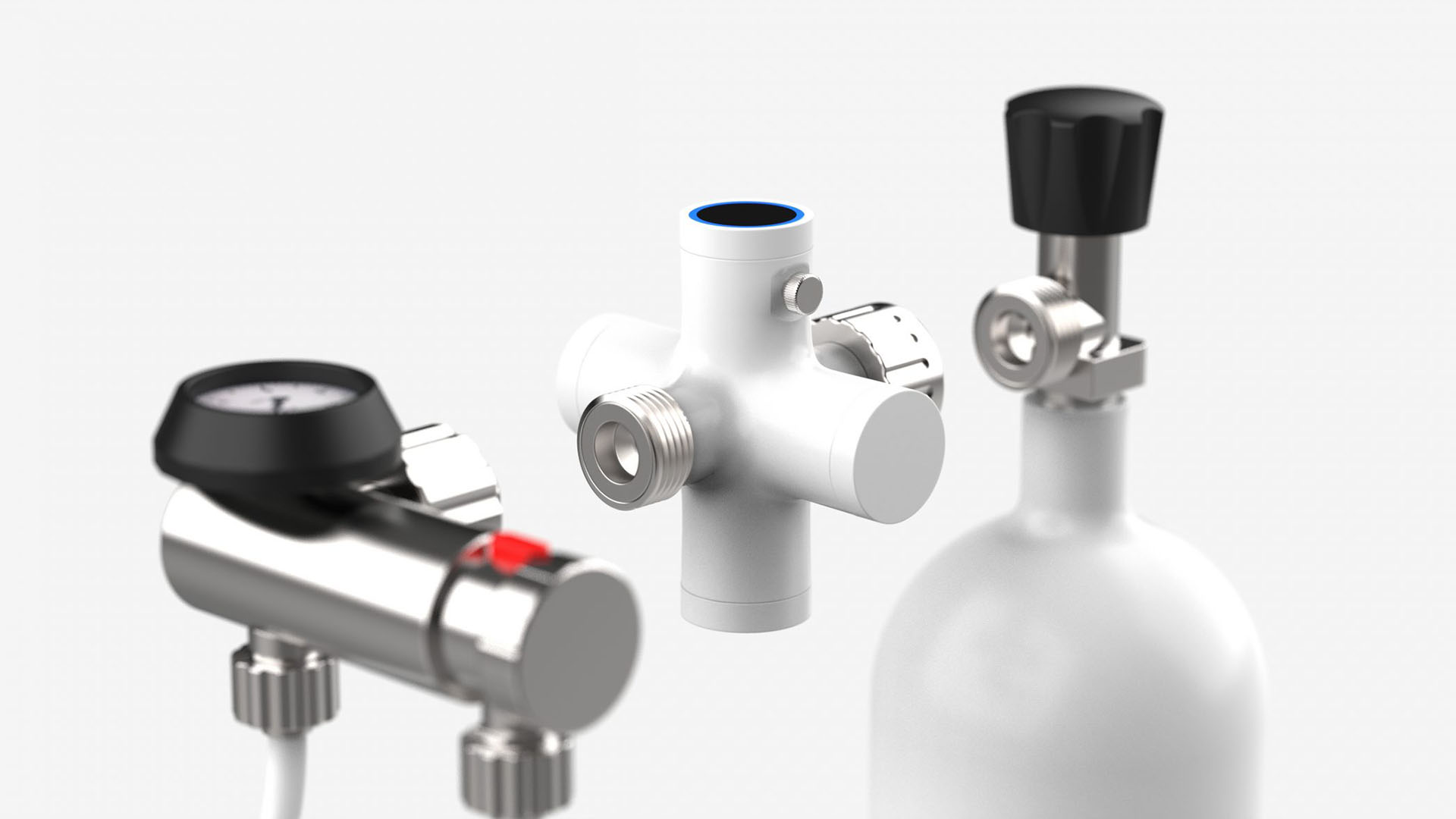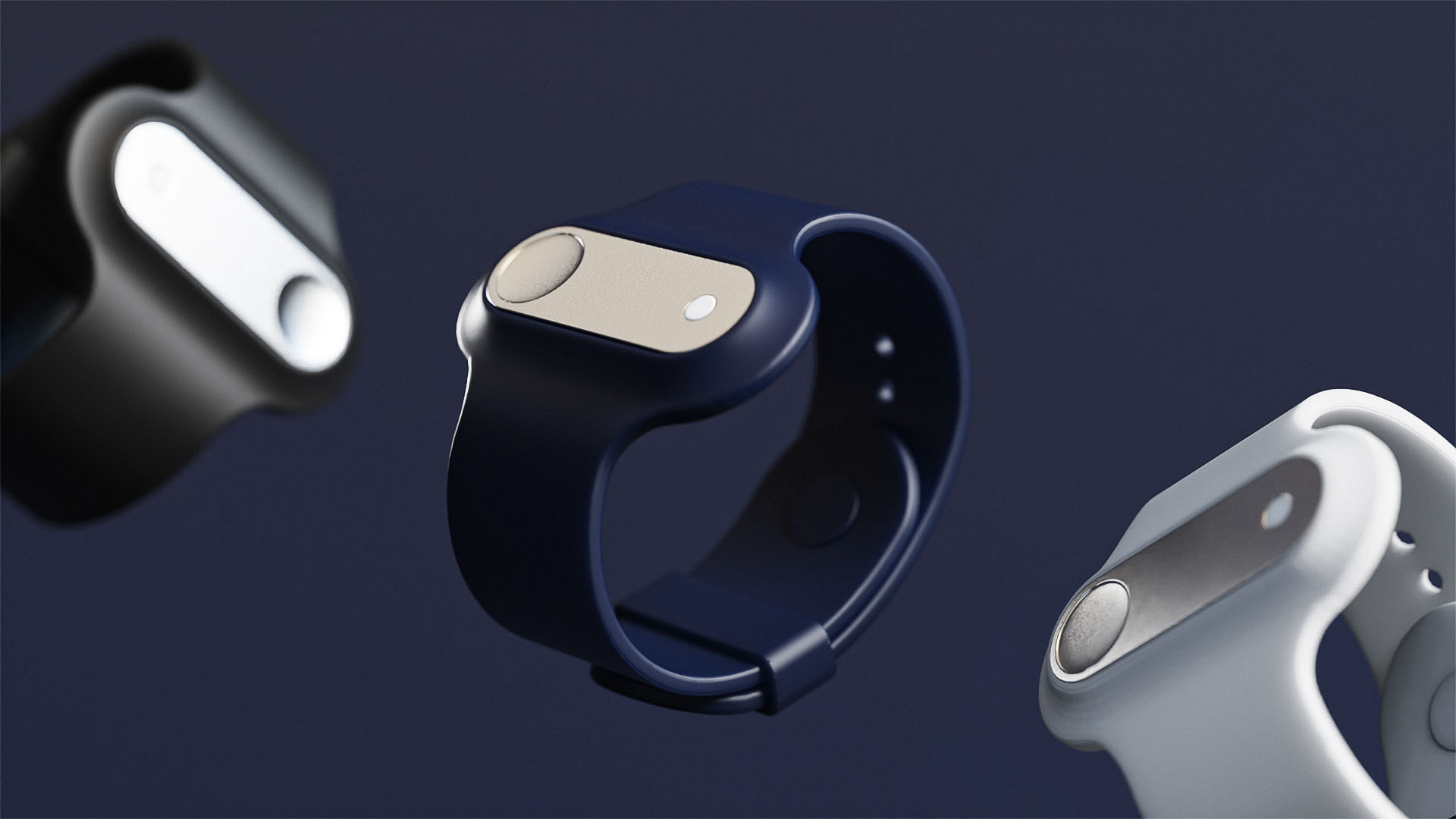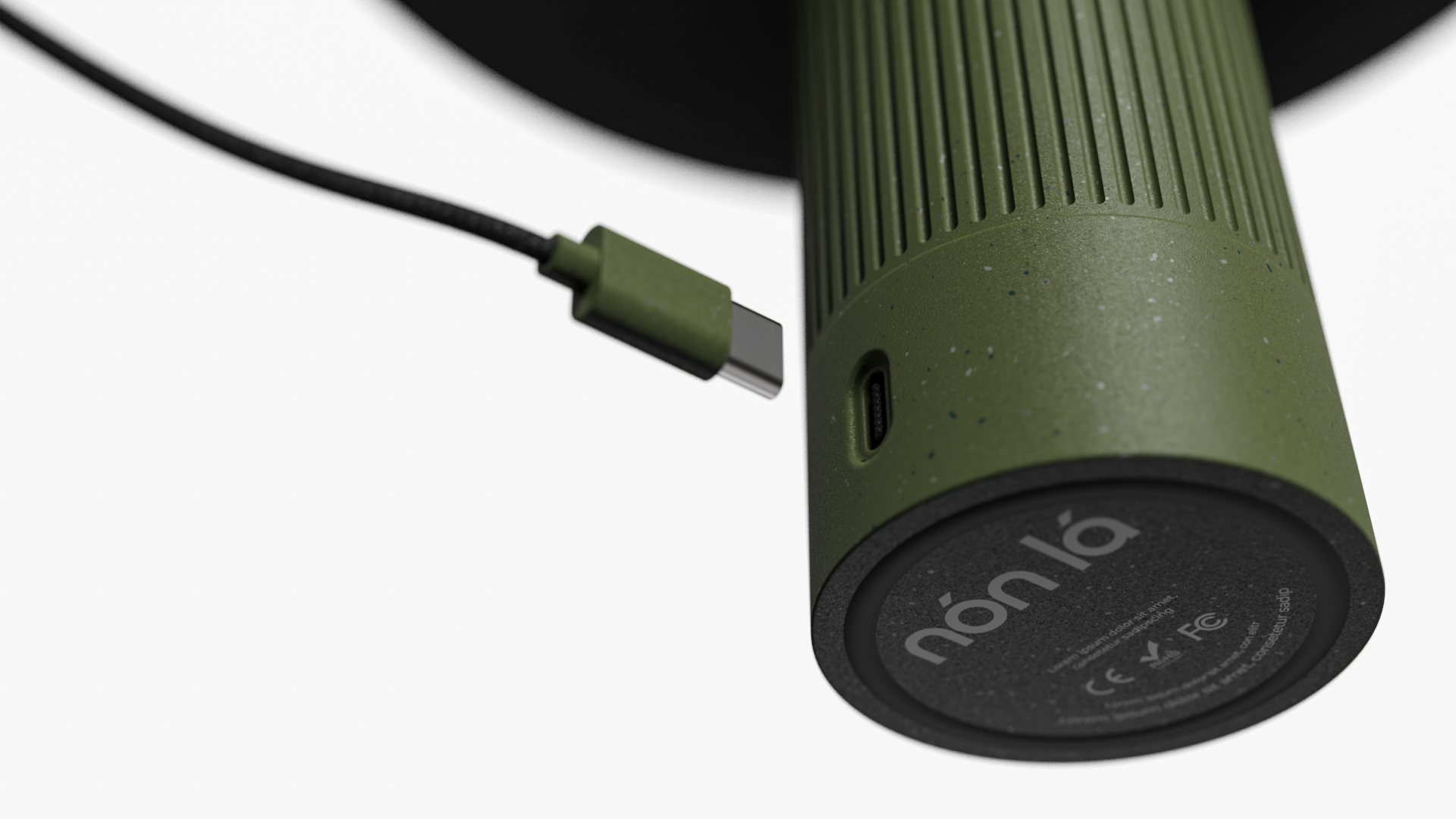

CGI Agency for Products: photorealistic product images from your CAD data, without a photo studio or prototype.
05.06.2026
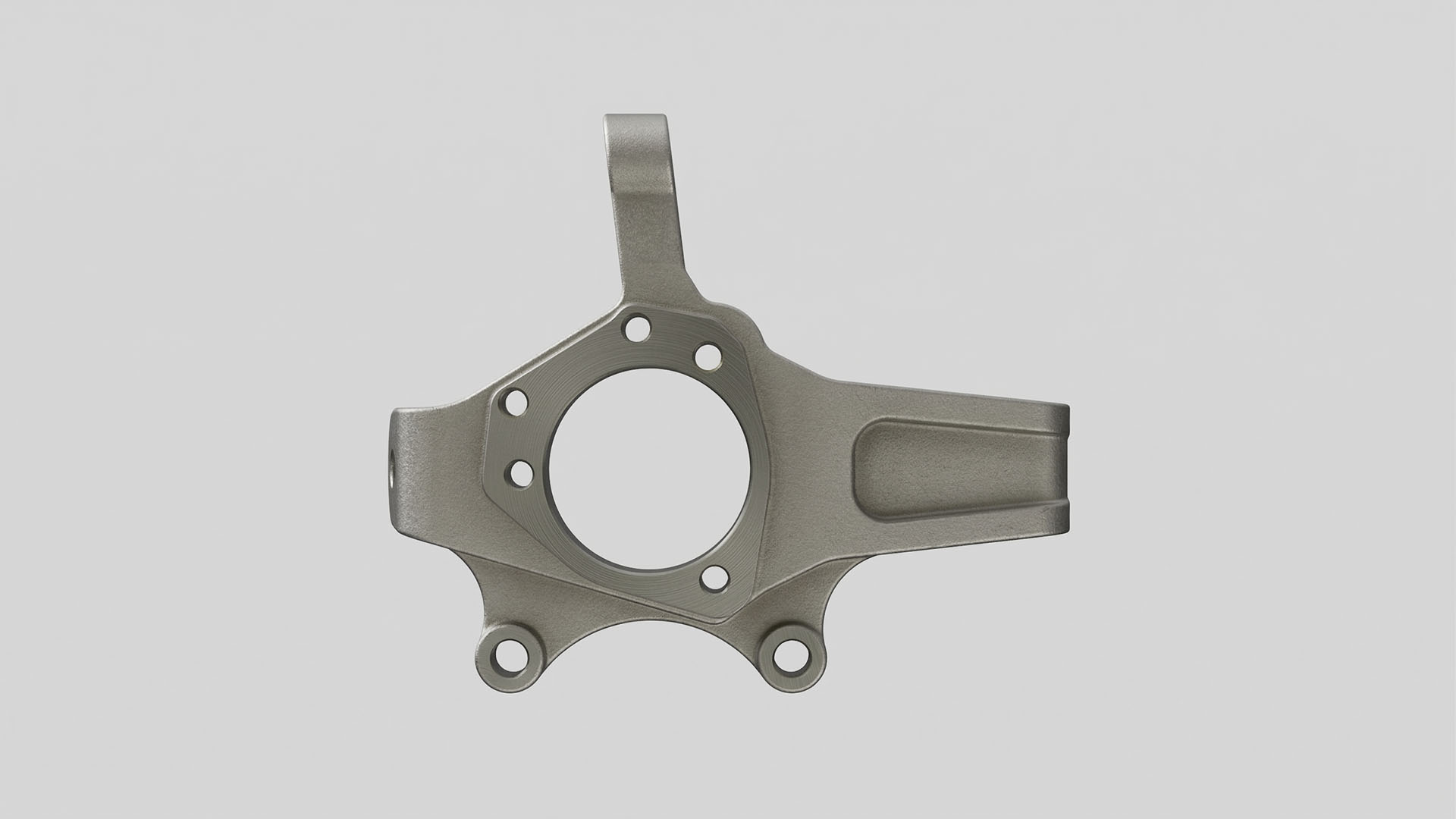
A product CGI agency creates photorealistic product images on the computer, entirely without a photo studio, without a finished prototype, and without complex logistics. If you want to showcase your product before it even exists, or if you need every variant in every color and material without photographing each one individually, then CGI is virtually indispensable today.
In this article, you'll learn exactly what a product CGI agency does, when it's worthwhile, what the difference is between it and classic product photography and AI images, and how to identify a good agency.
CGI stands for Computer Generated Imagery. A CGI agency builds your product as a digital 3D model and then stages it virtually: with lighting, materials, background, and perspective, all freely selectable and infinitely repeatable.
In most cases, your CAD data forms the basis. Since the design model already exists, a large part of the 3D modeling is eliminated, and the images are true to scale with the real product. From a single, once-built model, almost anything can then be created: images for your shop, animations, technical representations, interactive 3D views for the web.
In a nutshell: A CGI agency transforms your design data into images that are virtually indistinguishable from a real photograph.
Classic product photography isn't dead, but it has a few weaknesses that can become very expensive for technical and highly variable products.
For photography, you need a finished, flawless sample product, a studio, lighting, and often multiple attempts. Every new color, material variant, and background means a new photoshoot. With CGI, you build the model once; after that, an additional color or perspective costs only a fraction.
CGI is particularly worthwhile when:
Photography can be cheaper for a single, readily available product. However, as soon as variants, time pressure before production launch, or a consistent series come into play, the dynamic shifts.
AI image generators are impressive, fast, and inexpensive. They can be useful for mood images, initial ideas, or backgrounds. However, for genuine product communication, they have a fundamental problem: they guess what something *might* look like, instead of accurately depicting your product.
Proportions are off, logos shift, technical details are invented, and two images of the same product never look quite identical. For B2B, mechanical engineering, medical technology, or anything where precision matters, this is not usable.
CGI, on the other hand, works with your real CAD model. Every screw is exactly where it should be. In practice, both approaches can be combined: CGI for the exact product, AI perhaps for supplementary elements. However, only CGI provides control and reproducibility.
A good 3D model is a tool you can use repeatedly. From a single setup, you can create, among other things:
Interactive web applications, in particular, are an area that many providers still struggle to implement effectively. When customers can rotate a product themselves in their browser, engagement increases significantly, especially for complex or configurable items.
CGI is effective wherever products need to be showcased, but it's particularly powerful in technical and demanding sectors:
Common to all: If you already have CAD data, most of the preliminary work is already done.
The process from design file to final image is straightforward:
A reputable CGI agency works with an approval on a key shot before the entire series is produced. This way, there are no unpleasant surprises at the end.
There's no single answer to that, as effort and complexity vary greatly. The crucial point is: the largest cost is the one-time creation of the 3D model. Once that's done, additional views, colors, and variations become comparatively inexpensive.
This is precisely what often makes CGI more economical than photography for larger product families and across multiple campaigns, even if the initial image seems more expensive. The best way to clarify this is through a brief discussion about your specific product, rather than relying on a number found online.
Here are a few things to look out for:
What is CGI? CGI stands for Computer Generated Imagery, meaning images created by computer. In product visualization, this means photorealistic representations generated from a digital 3D model.
Do I need a finished product for CGI? No. This is one of the biggest advantages. With CAD data, your product can be visualized long before the first prototype exists.
What data do I need to provide? Ideally, CAD data (e.g., STEP or IGES), plus information on materials, colors, and surfaces. The better the data, the faster and more accurate the result.
Can CGI images be distinguished from real photos? With clean work, hardly. That's precisely the goal: renderings that look like a good photo, only more flexible.
A CGI agency for products provides you with images that you can't get with photography: independent of the prototype, unlimited in variations, with a view inside the product, and from static cutouts to interactive 3D models on the web. If you already have CAD data, you're halfway there.
If you want to know what your product looks like as a photorealistic rendering, let's talk briefly. Send us your CAD data, and we'll create a non-binding sample rendering for you. This way, you'll see a real example of what's possible before you decide.
line-up – Agency for
3D Product Visualization
© 2026 line-up | Greim & Brugger GmbH | All rights reserved.