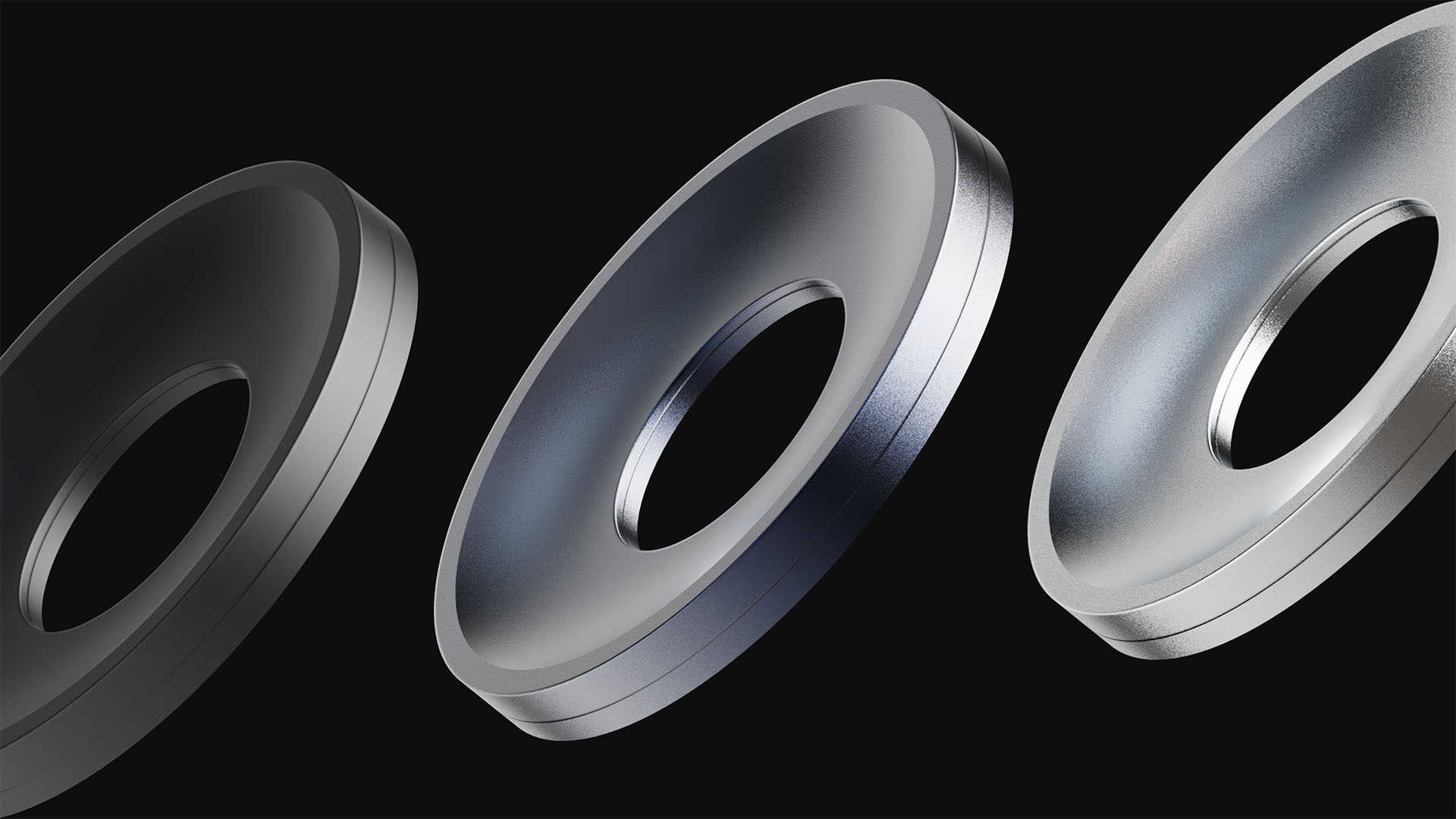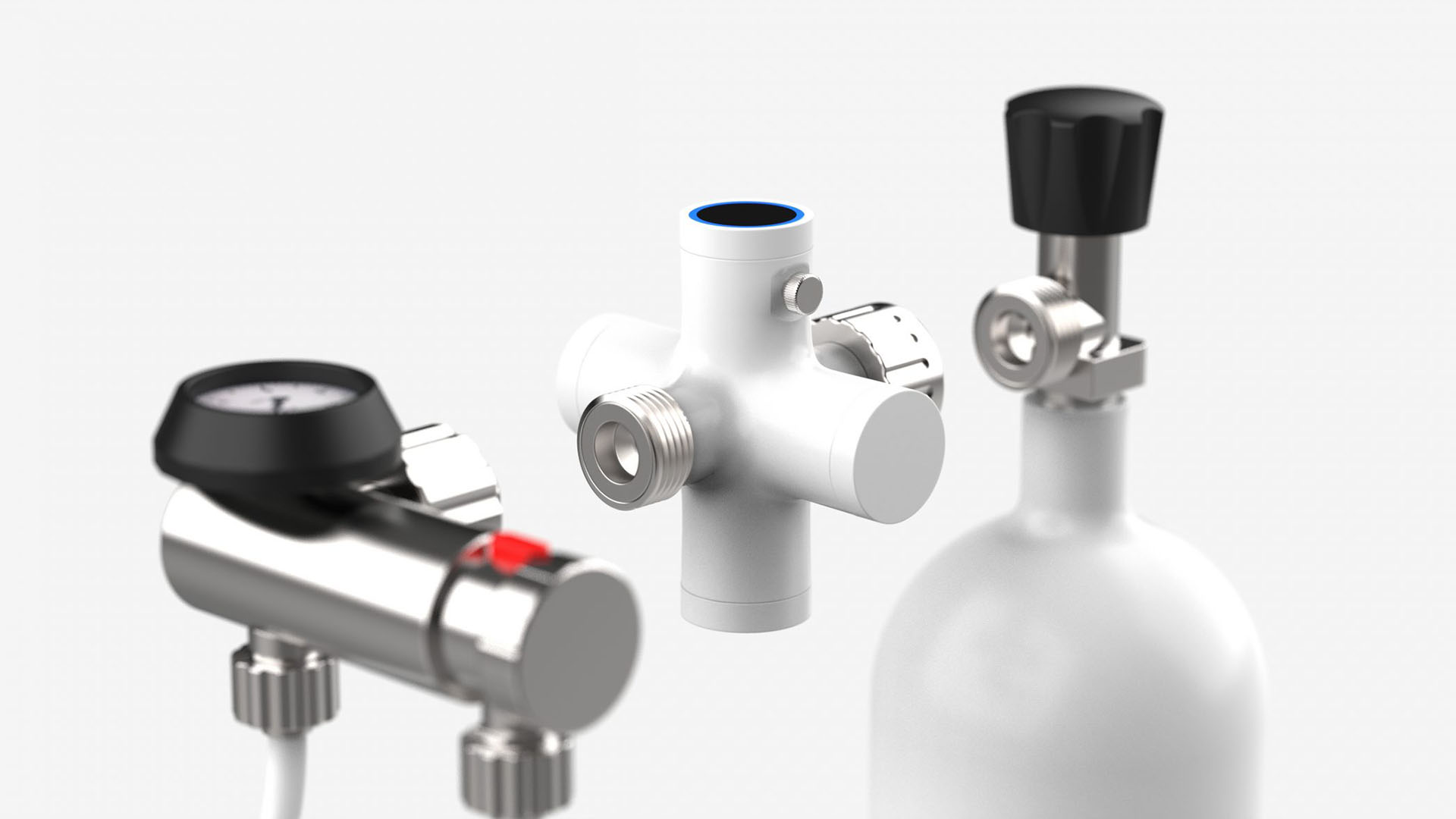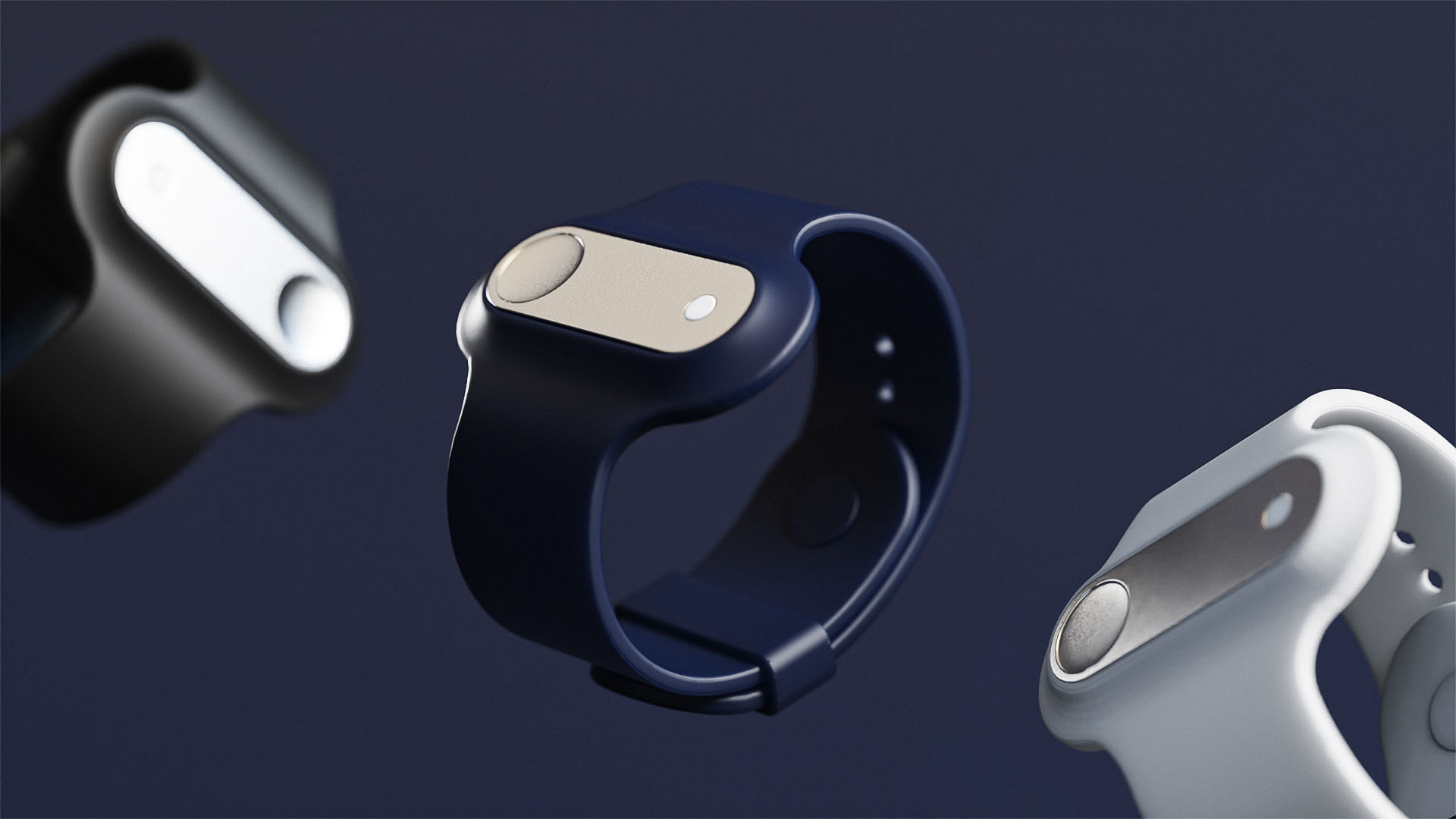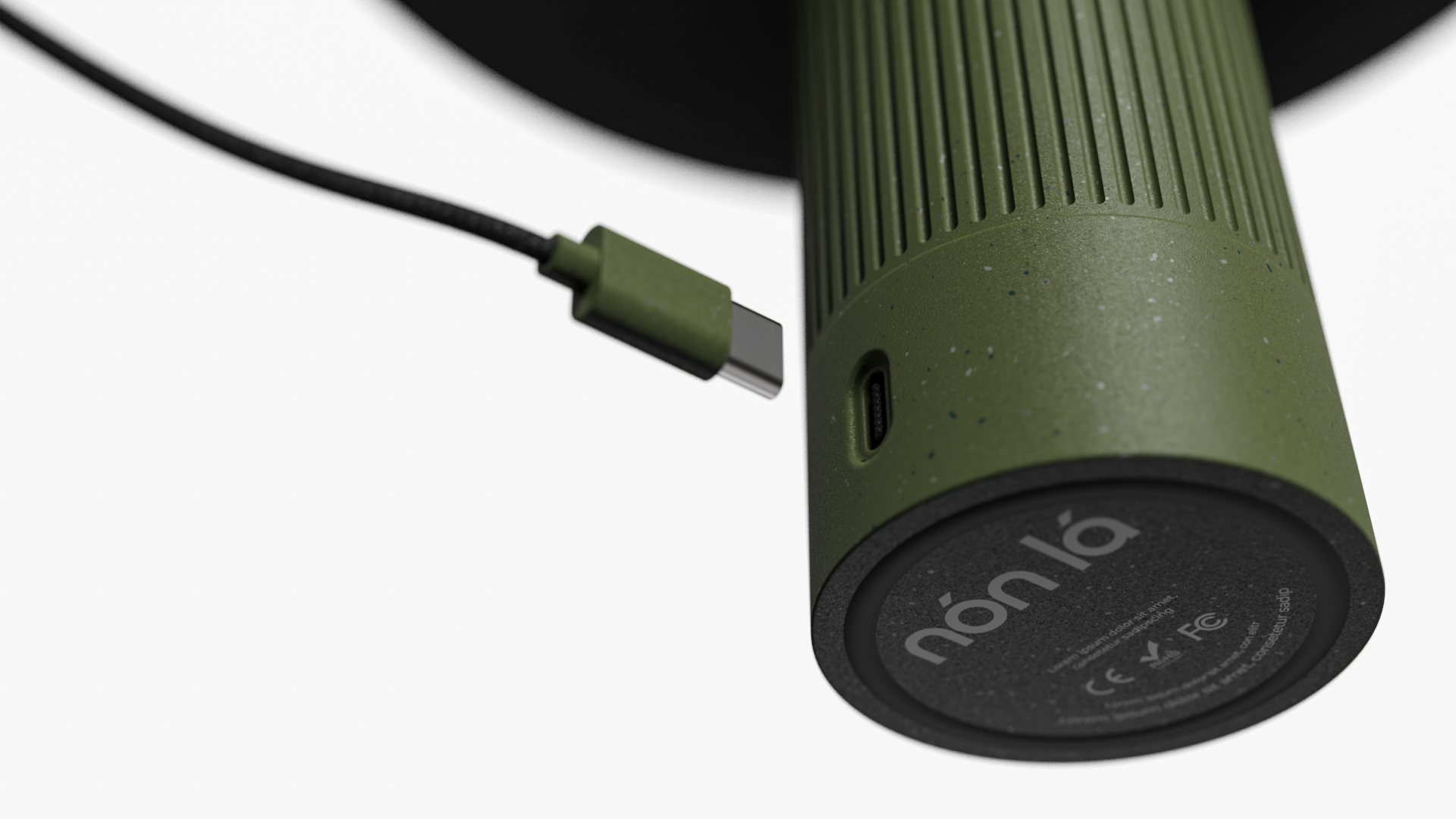

How a photorealistic product image is created from a technical CAD file using materials, light, and CGI – and what advantages professional renderings offer for marketing and sales.
09.07.2026
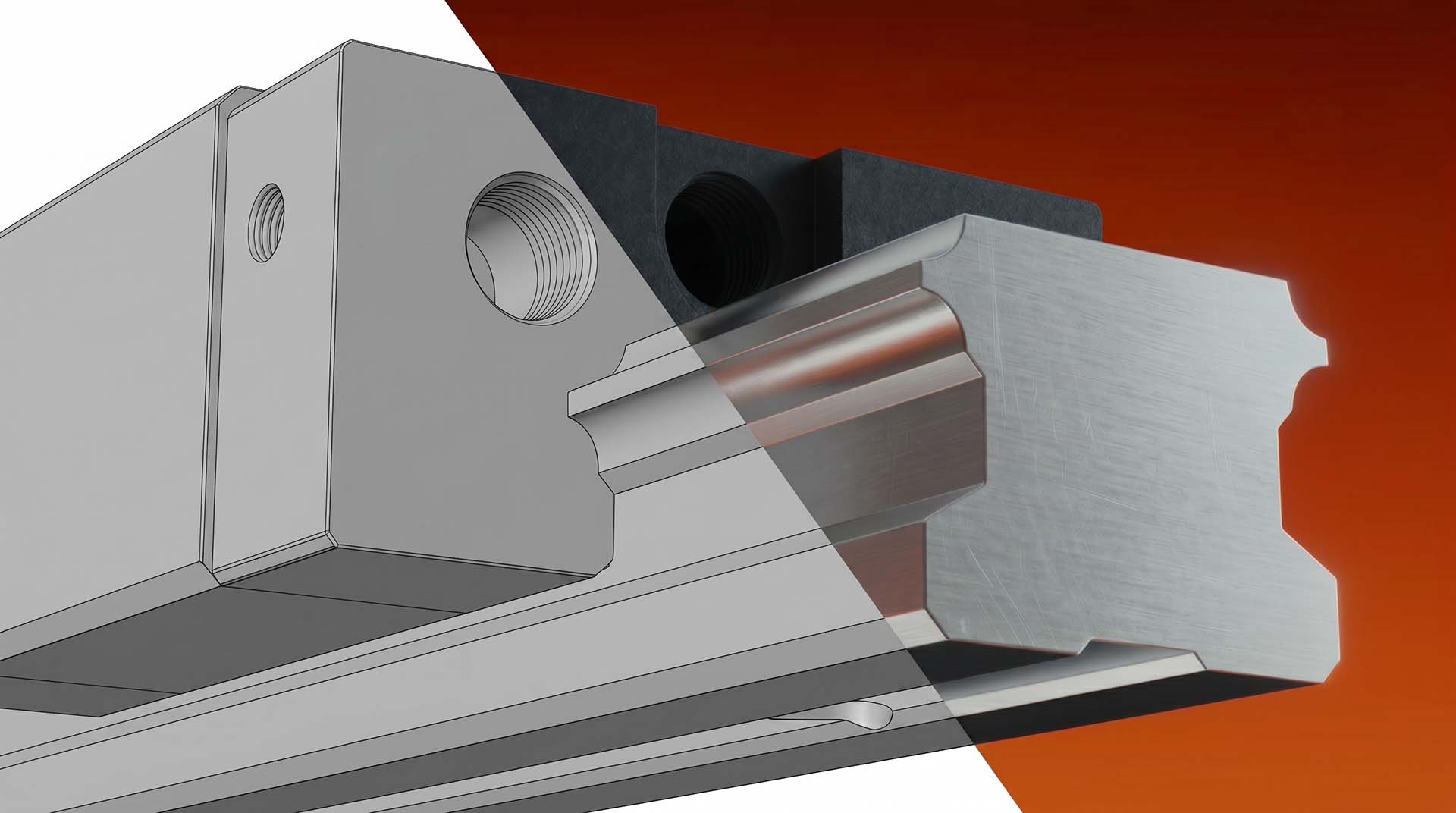
Many products today are developed digitally, long before they exist as a finished prototype or production item. Detailed CAD models, containing all dimensions, geometries, and technical properties, are created during the design phase. While this data is indispensable for manufacturing, it's not sufficient for marketing and sales. To sell a new product, you need emotional, high-quality images that build trust and convey the product's quality.
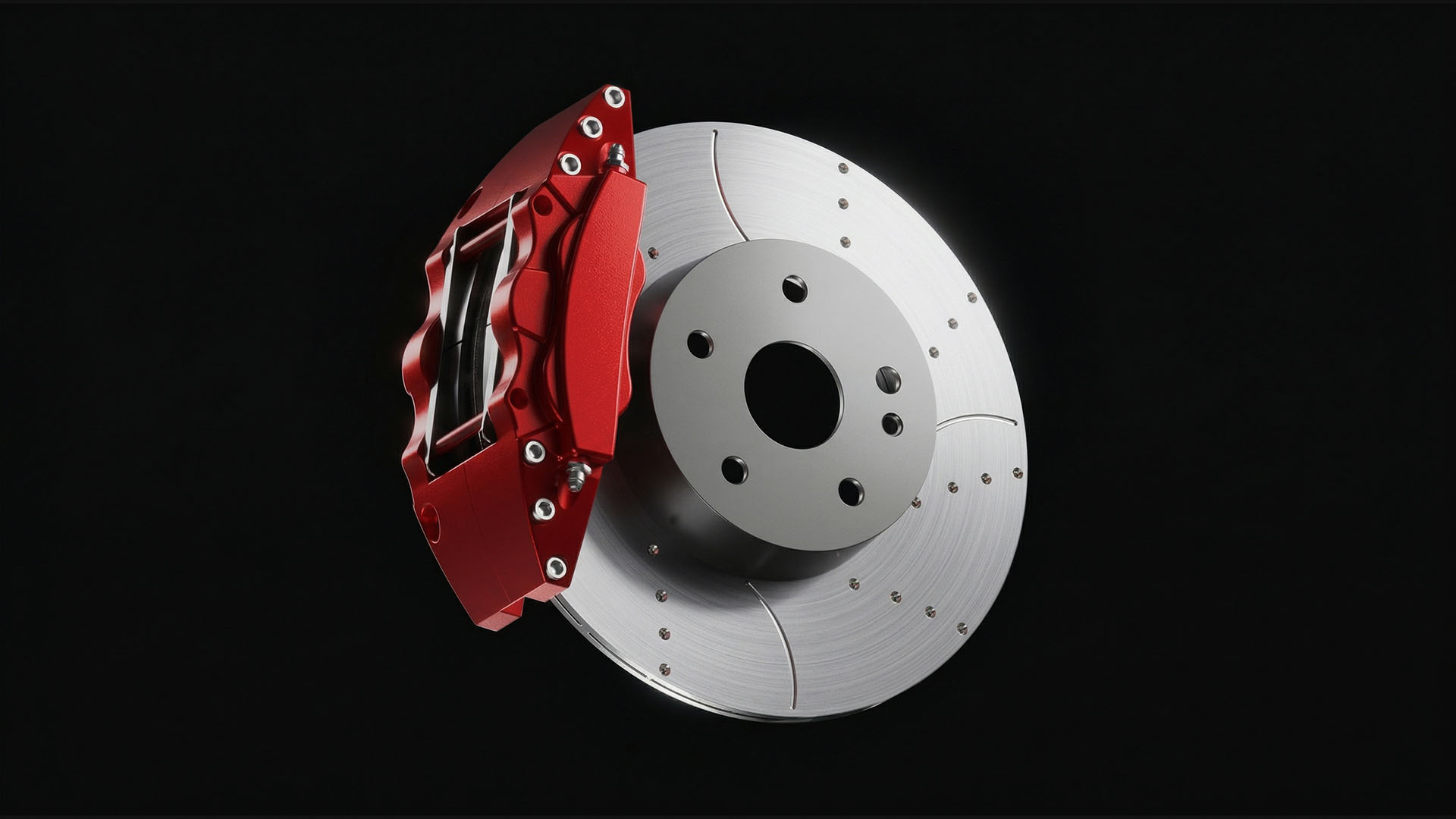
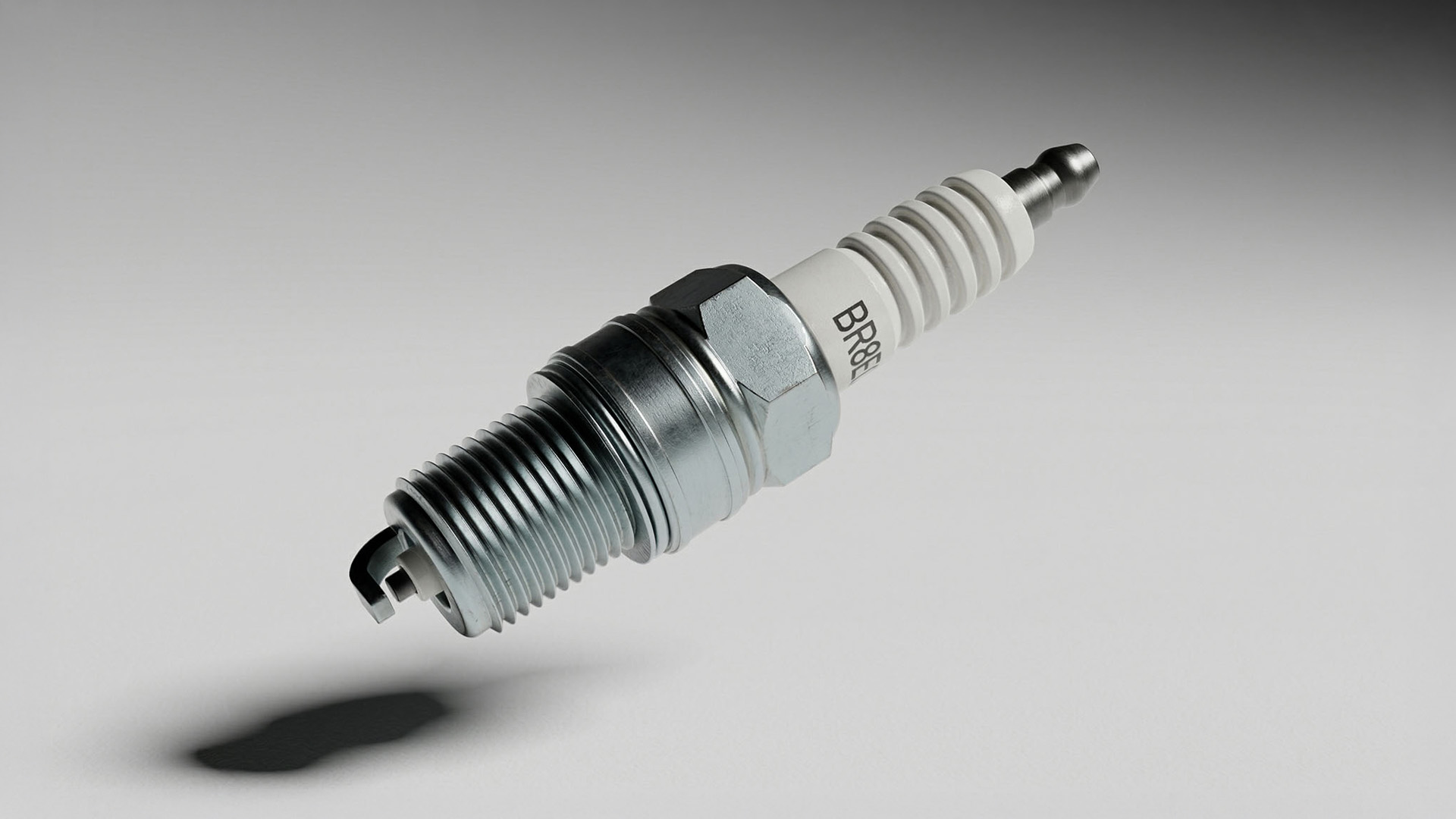
This is precisely where CGI comes in. Modern 3D renderings make it possible to generate a photorealistic product image from a technical CAD file that is virtually indistinguishable from a professional studio photograph. The major advantage: the product doesn't even have to have been manufactured yet. Companies can use high-quality product images during the development phase for online shops, catalogs, social media, trade fairs, or advertising campaigns.
But how does a technical CAD design transform into a realistic product photo? The process involves several steps that go far beyond simply pressing a render button.
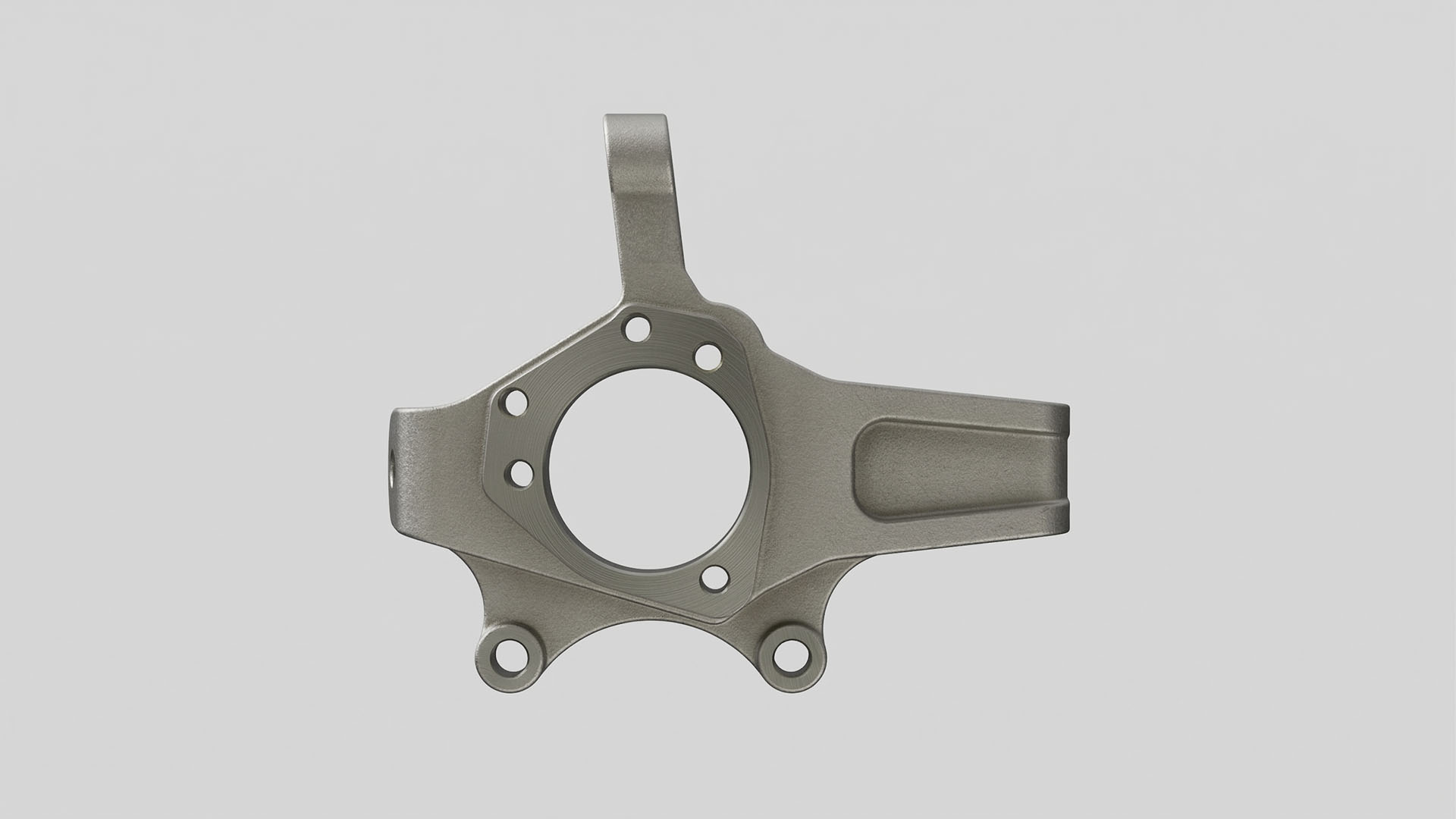
A CAD file is designed for product construction. It describes geometries with tenth-of-a-millimeter precision and provides all information necessary for development and production. What it lacks, however, are the properties that make a product appear real to the viewer.
Materials, coatings, surface textures, reflections, or lighting information typically do not exist in a standard CAD file. This is why every professional CGI project begins with preparing the existing data.
During this stage, models are optimized, unnecessary construction elements are removed, and the geometry is prepared for the rendering process. This step is crucial, as even the best rendering can only be as good as the data foundation it's built upon.
The more meticulously the initial model is prepared, the more efficiently subsequent changes can be implemented, and ultimately, the higher the quality of the final product image.
Perhaps the most crucial step towards photorealistic rendering is material design.
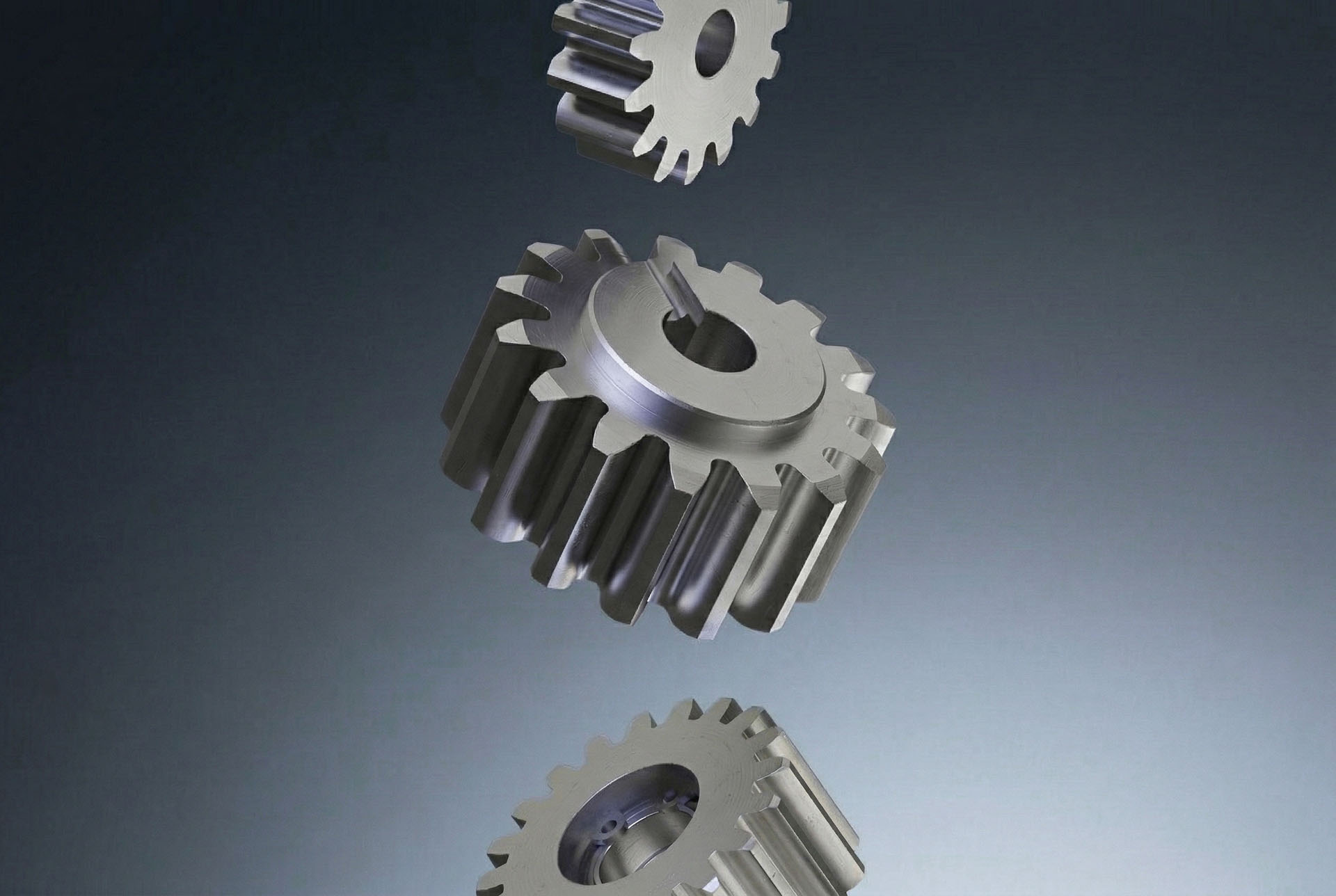
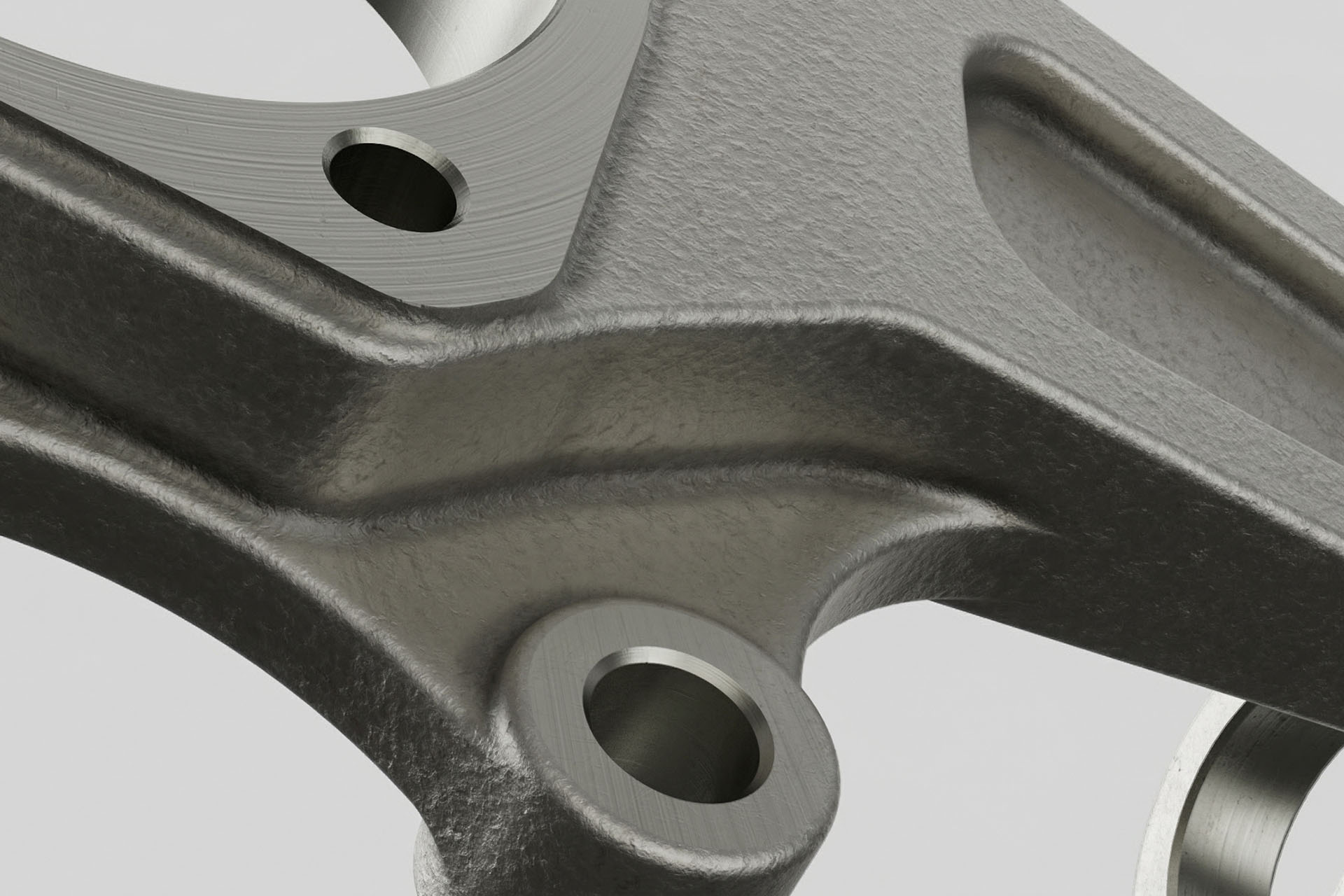
While a CAD file merely describes the form, the choice of materials dictates how a product is actually perceived. A brushed aluminum surface behaves entirely differently from black plastic, glass, carbon, or powder-coated steel. Each material reflects light uniquely, possesses distinct structures, and alters its appearance depending on the viewing angle.
Professional CGI artists therefore create what are known as physically based materials (PBR materials). This involves precisely defining properties such as roughness, glossiness, transparency, refraction, or microstructures. Only through this process does the impression of a real product emerge.
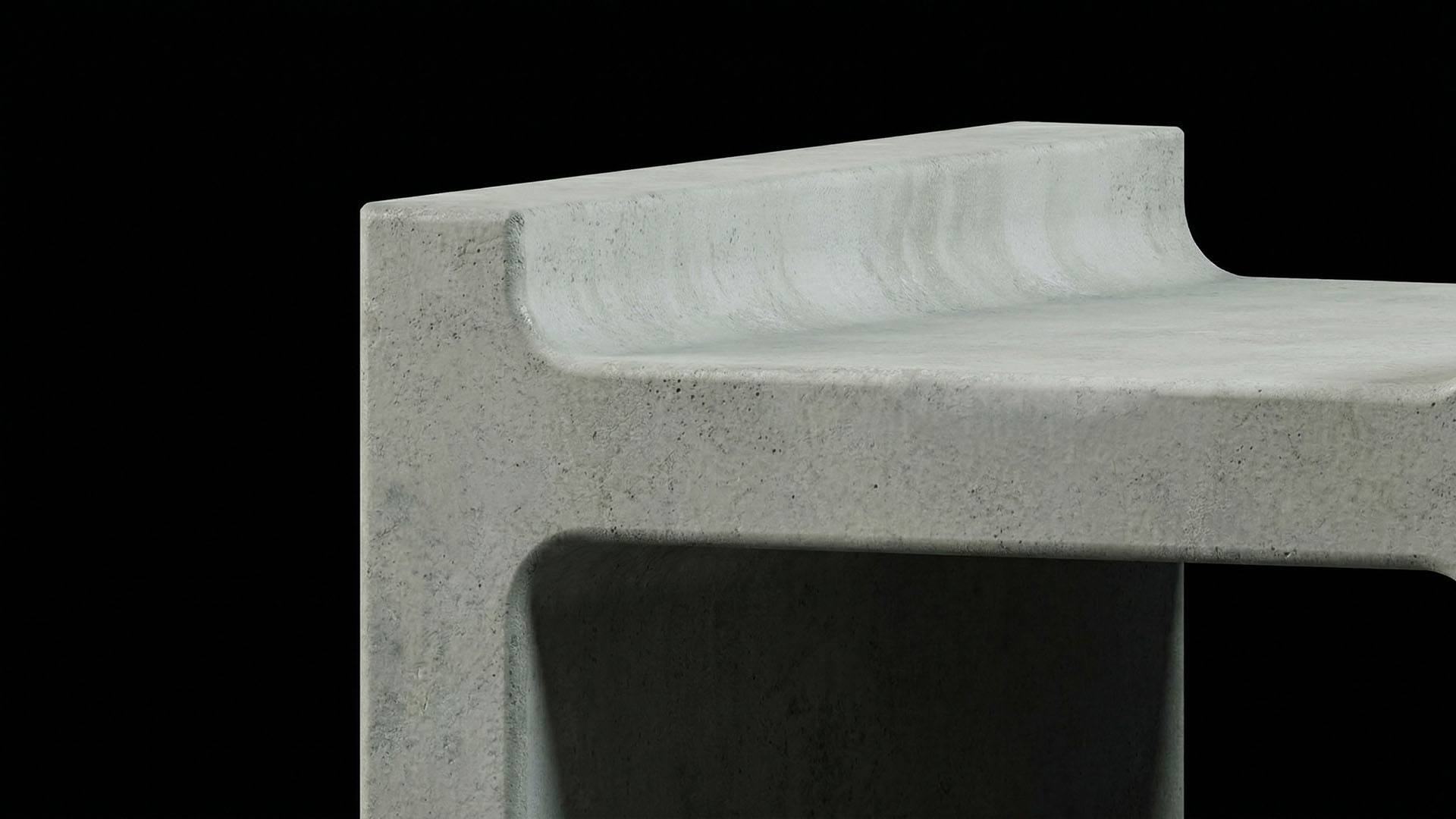
Especially for high-quality consumer goods, machinery, electronics, or design products, the quality of the materials determines whether a rendering appears convincing or is immediately recognized as artificial.
Anyone who has experienced a professional photoshoot knows: it's not the camera that makes the picture, but the light.
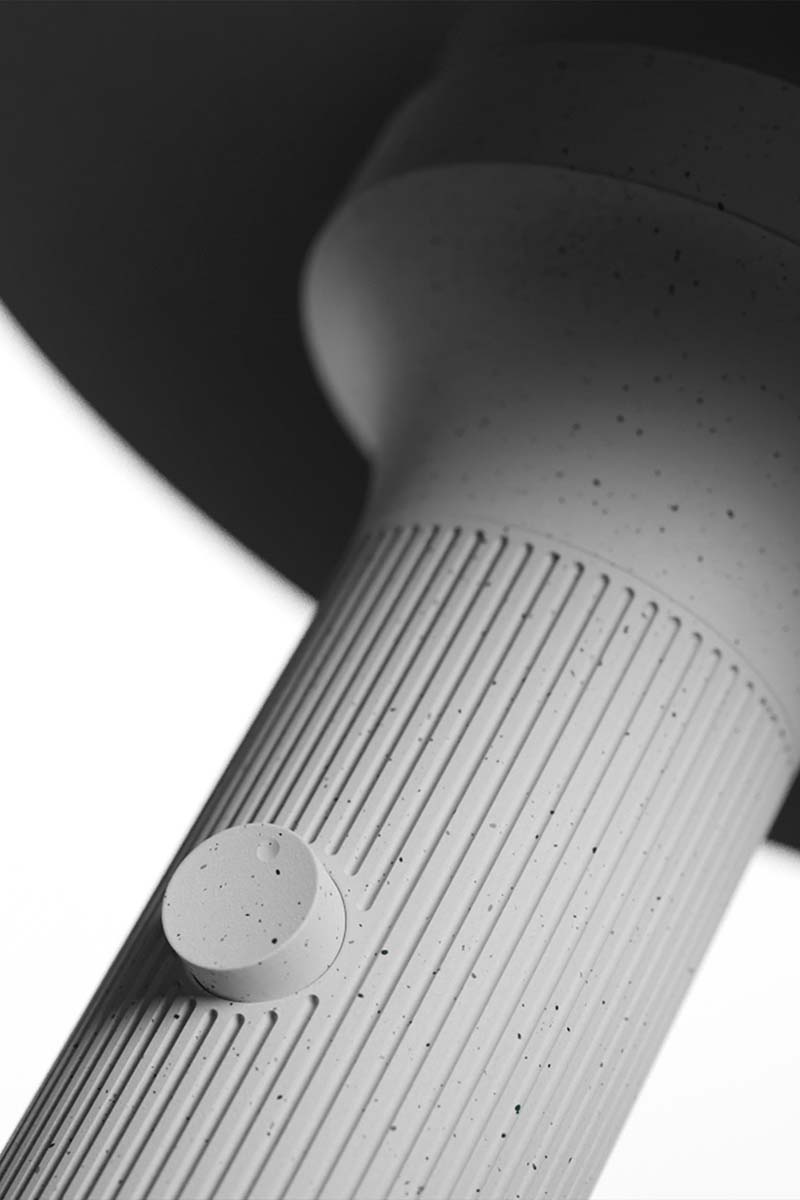
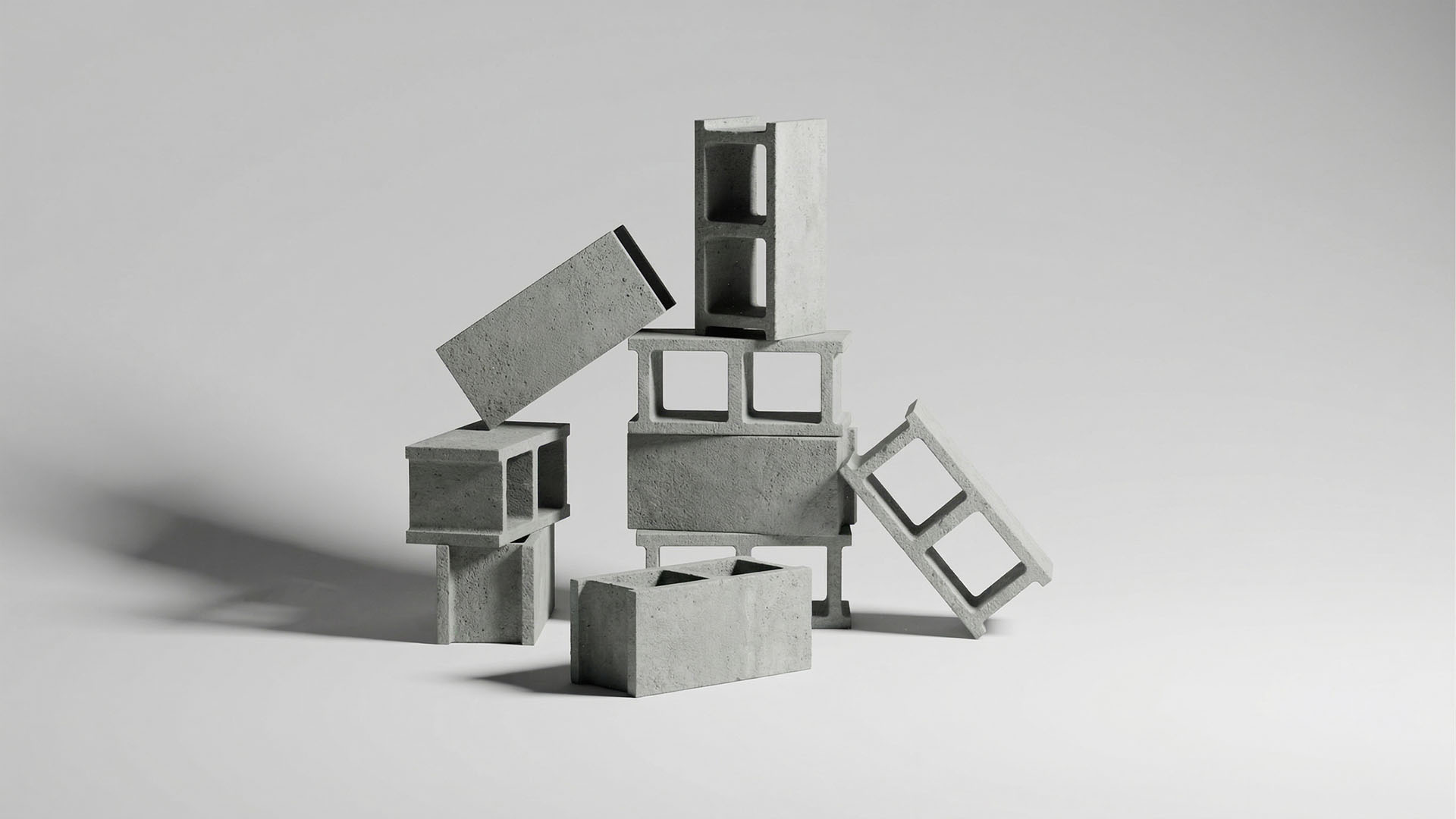
This very principle also applies to photorealistic CGI renderings. In a virtual photo studio, various light sources are used to optimally showcase the product. Soft light gradients emphasize elegant shapes, targeted highlights make materials appear high-quality, and controlled shadows create spatial depth.
Unlike traditional photography, CGI offers a significant advantage: every light source can be altered retrospectively. Intensity, color, position, or reflections can be adjusted at any time without needing to re-photograph the product.
This provides enormous creative freedom. Whether it's a straightforward cutout image on a white background or an emotional lifestyle scene, the lighting can be precisely tailored to its intended future application.
Once geometry, materials, and lighting are fully prepared, the actual rendering process begins.
The rendering software calculates the complete interplay of all elements. Light rays are simulated, reflections are physically accurate, shadows are precisely calculated, and materials react realistically to their environment.
Depending on the product's complexity, millions of calculations may be necessary. The result is high-resolution images that render even the smallest details with razor-sharp clarity and can be easily used for large print formats or high-resolution displays.
The biggest difference compared to a traditional photoshoot lies in its flexibility. If the product needs to appear in a different color later, no new production or photoshoot is required. Instead, only materials are adjusted, and the rendering is recalculated. New camera perspectives or detailed views can also be generated at any time.
Even though modern rendering software already delivers impressive results, the process doesn't end with the finished rendering.
As in professional product photography, image editing follows. Colors are finely tuned, contrasts optimized, and small details perfected. Reflections can be specifically enhanced or reduced, backgrounds exchanged, and the overall visual impact adjusted to a company's corporate design.
It's often these final touches that determine whether an image appears high-quality or exceptional. The goal isn't to artificially alter the rendering, but to create the impression of a perfectly photographed product.
Photorealistic renderings offer companies numerous advantages today compared to traditional product photos.
Products can be marketed even before a physical prototype exists. This significantly shortens the time-to-market and allows for a much earlier sales launch.
Furthermore, an unlimited number of variations can be generated. Different colors, materials, or features do not need to be produced and photographed individually. Instead, all versions are created based on the same CAD file.
This approach also pays off in the long run. If products are further developed or receive new features, only the relevant areas of the 3D model need to be adjusted. A costly photoshoot is completely eliminated.
This provides enormous economic advantages for industrial companies, mechanical engineers, furniture manufacturers, startups, and manufacturers of technical products in particular.
A CAD file is much more than just a construction drawing. It forms the starting point for modern product visualization and makes it possible to professionally present products even before their manufacturing.
Crucially, however, it's not just the software that matters, but the interplay of technical understanding, material knowledge, lighting design, and experience in image composition. Only this combination ensures that a CAD file transforms into an image that achieves the quality of a real product photo.
This is precisely what we at line-up.de specialize in. We transform technical CAD data into photorealistic CGI renderings that present products in a high-quality manner and help companies market their products more successfully. Whether for online shops, Amazon, print catalogs, social media, trade fair appearances, or international marketing campaigns – we develop compelling product images even before the first product leaves production.
If you already have CAD data, it often holds significantly more potential than many companies realize. With professional CGI renderings, you create a flexible, future-proof foundation for all your product communication – realistic, efficient, and adaptable at any time.
line-up – Agency for
3D Product Visualization
© 2026 line-up | Greim & Brugger GmbH | All rights reserved.